
“Who dares to teach must never cease to learn”.
– Ancient Proverb
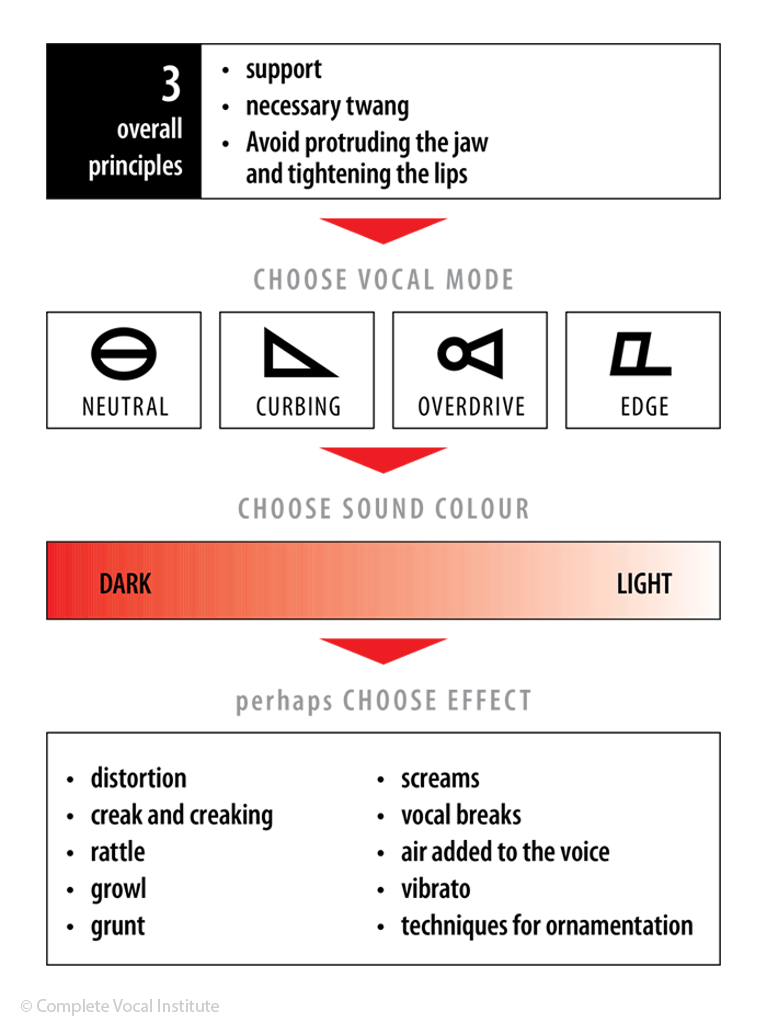
Giving the ‘classical’ singer more choice in what and how they sing.
An introduction to CVT and workshop for classical singers
We are all familiar with the term ‘classical singing’ but what is it? Is it a technique or simply a style of singing?
What for that matter is classical music?
The term ‘classical music’ can refer to a particular period in the development of music, the Classical era, dating from the latter half of the eighteenth century dominated by composers such as Haydn, Mozart, and Beethoven.
On the other hand, ‘classical music’ is often used as a term to describe any music, which is supposedly ‘heavy’ (as opposed to pop or jazz as in ‘I can’t stand classical music’)
So, from a singer’s point of view, we are looking at music written from 1600 to the present day, encompassing the Renaissance, Baroque, Classical, Romantic, 2nd Viennese School, Impressionist and the list continues.
Using CVT to help find the singer’s own voice and musical identity
Classical technique, therefore, must be all encompassing, giving the singer the ability to make endless choices in terms of style and interpretation and the sheer physical stamina needed to sing unamplified above a symphony orchestra.
Of course, not every singer has the physiological makeup to do this, but CVT can certainly give every singer more choice and independence. For example, being able to teach and demonstrate the use of hammer vibrato used in Monteverdi to decorate the vocal line, the use of twang to increase volume in Wagner, or compressing the tongue to help darken the sound color in Verdi.
The choices are endless, but more than that, CVT can isolate the technique, the pure mechanics needed to make them, to gives the singer tools to define their individual style and artistic choice.
 Iain Petty